
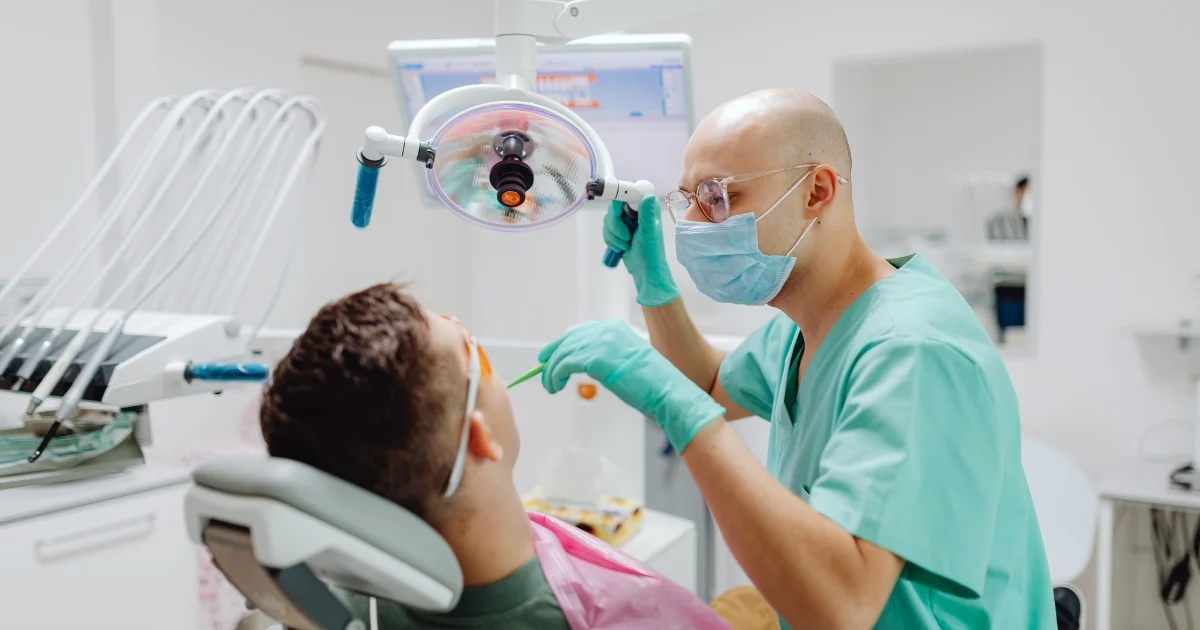
How Many Dental Exams Do I Need in a Year in Kennewick?
Dental exams play an important role in maintaining healthy teeth and gums while helping identify oral health concerns before they become more serious. Most patients benefit from routine dental exams in Kennewick, although the ideal schedule may vary depending on age, oral health history, and individual risk factors. Regular examinations allow dentists to monitor changes over time, provide preventive care, and recommend treatment before small issues develop into more complex problems. Staying consistent with routine dental visits helps support both long-term oral health and overall well-being.
Maintaining a regular dental exam schedule is one of the simplest ways to protect your smile and reduce the likelihood of unexpected dental problems. At Family First Dental, we provide comprehensive preventive care tailored to each patient’s unique oral health needs while making every visit as comfortable and informative as possible. Our experienced team takes time to explain our findings, answer questions, and develop personalized care plans that support healthy smiles for every member of the family. If it has been a while since your last dental visit, call us at (509) 581-3611 to schedule your appointment today.
When to Schedule Your Dental Exams in Kennewick
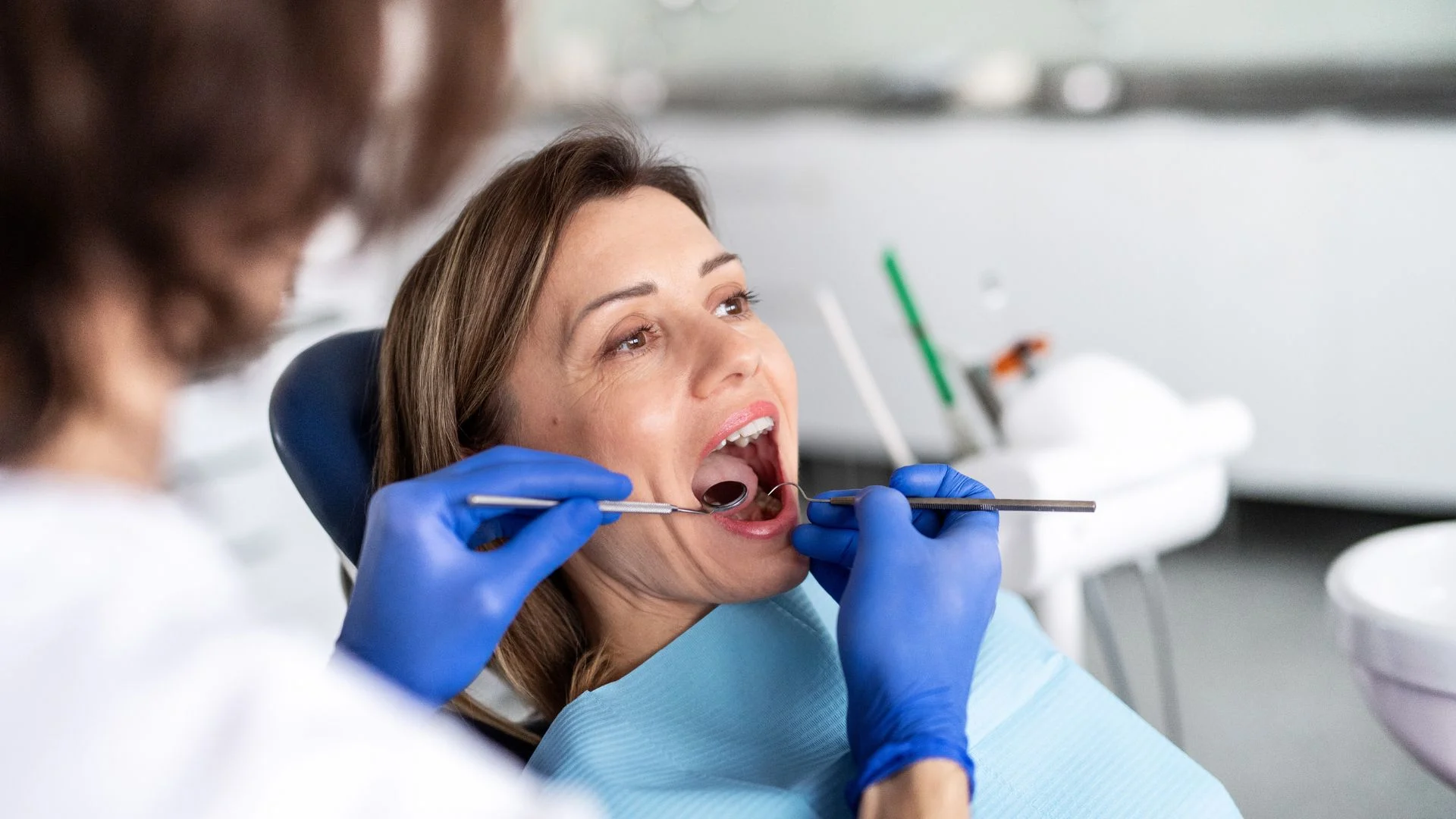
Family First Dental provides comprehensive dental exams in Kennewick to help patients maintain healthy smiles through consistent preventive care and early detection. We evaluate every patient’s oral health carefully while examining the teeth, gums, bite, and surrounding tissues for signs of developing concerns. Our team also reviews your dental history, discusses any changes you have noticed, and recommends an exam schedule based on your individual needs rather than a one-size-fits-all approach. We believe preventive care offers the best opportunity to protect your smile while reducing the need for more extensive treatment in the future. Our goal is to help every patient feel informed, comfortable, and confident during every dental visit.
The right examination schedule depends on several factors, including your oral health, lifestyle, medical history, and risk for dental disease. Therefore, we monitor your dental health over time while making recommendations that reflect your changing needs and long-term goals. We also encourage patients to ask questions throughout every appointment so they fully understand their oral health and available preventive options. Additionally, we provide practical guidance that helps patients maintain healthier teeth and gums between visits through consistent home care. Our personalized approach allows us to deliver preventive care that supports lasting oral health for patients of every age.
Understanding the Purpose of Routine Dental Exams
Routine dental exams allow dentists to identify developing problems before they become more difficult and expensive to treat. These appointments also provide valuable opportunities to monitor changes in oral health while reinforcing healthy habits that support long-term dental wellness. Regular examinations remain one of the most effective preventive services available. Consistent care helps protect both your smile and your overall health.
Detecting Problems Early
Many dental conditions develop gradually without causing noticeable discomfort during their earliest stages. Regular examinations allow dental professionals to identify cavities, gum disease, worn restorations, and other concerns before symptoms become more severe. Early diagnosis often leads to more conservative treatment options. Preventive care helps preserve healthy teeth whenever possible.
Preventing Larger Dental Problems
Addressing minor dental concerns early often reduces the likelihood of needing more extensive procedures later. Small cavities, mild gum inflammation, and other developing conditions generally respond more favorably when treated promptly. Early intervention also helps minimize future treatment costs. Consistent preventive care supports healthier long-term outcomes.
Monitoring Overall Oral Health
Routine exams evaluate more than just the teeth during each appointment. Dentists also assess the gums, jaw function, soft tissues, existing dental work, and overall oral health while looking for changes that may require additional attention. Comprehensive evaluations support complete preventive care. Regular monitoring promotes healthier smiles.
Tracking Changes Over Time
Comparing current findings with previous examinations helps identify gradual changes that may otherwise go unnoticed. Tracking these trends allows dentists to make more informed treatment recommendations based on each patient’s oral health history. Ongoing monitoring also supports personalized care. Consistent evaluations improve preventive planning.
Factors That Affect Your Recommended Schedule
Not every patient requires the same number of dental exams each year. Individual risk factors, medical conditions, oral hygiene habits, and previous dental history all influence the most appropriate examination schedule. Personalized recommendations help ensure patients receive the level of preventive care that best meets their needs. Individualized planning supports better long-term oral health.
Current Oral Health
Patients with healthy teeth and gums often follow a routine preventive examination schedule. Individuals managing gum disease, frequent cavities, or other ongoing dental concerns may benefit from more frequent monitoring. Tailoring the schedule allows dentists to respond appropriately to each patient’s needs. Personalized care improves preventive outcomes.
Previous Dental History
Past dental experiences often provide valuable insight into future preventive care needs. Patients with recurring dental problems may require closer observation to reduce the likelihood of additional complications. Reviewing dental history helps guide future recommendations. Individual treatment plans reflect each patient’s unique circumstances.
Lifestyle and Health Factors
General health and lifestyle choices may influence oral health over time. Factors such as tobacco use, diabetes, certain medications, pregnancy, and dietary habits sometimes increase the risk of developing dental concerns. Reviewing these factors allows dentists to recommend an appropriate exam schedule. Comprehensive evaluations support individualized care.
Evaluating Risk Factors
Every patient’s risk profile changes throughout life as health conditions and personal habits evolve. Regular discussions regarding medical history and lifestyle help dentists identify situations requiring additional preventive attention. Ongoing evaluations allow recommendations to remain current. Personalized planning supports healthier outcomes.
What Happens During a Dental Exam?
Routine dental exams involve much more than simply checking for cavities. Comprehensive evaluations include examinations of the teeth, gums, jaw, existing restorations, and surrounding oral tissues. These appointments also provide opportunities to discuss concerns and receive personalized preventive recommendations. Thorough evaluations support complete oral healthcare.
Examining the Teeth and Gums
The dentist carefully evaluates each tooth while looking for signs of decay, fractures, worn fillings, and gum disease. Healthy gums remain essential for maintaining strong teeth throughout life. Comprehensive examinations also assess tissue health around every tooth. Careful evaluations support early diagnosis.
Looking for Signs of Gum Disease
Healthy gums provide important support for every tooth. Dentists evaluate gum tissue for inflammation, bleeding, recession, and pocket depth during each examination. Identifying these concerns early helps prevent more advanced periodontal disease. Preventive care protects long-term oral health.
Reviewing Diagnostic Images
Dental X-rays may be recommended periodically to identify concerns that cannot be seen during a visual examination alone. These images help detect cavities between teeth, bone loss, infections, and other hidden conditions. Diagnostic imaging supports comprehensive treatment planning. Accurate information improves preventive care.
Using Technology to Improve Diagnosis
Modern dental technology allows dentists to evaluate oral health more accurately while identifying concerns earlier than ever before. Advanced diagnostic tools complement routine examinations by providing additional clinical information. Better diagnostics support more informed treatment decisions. Technology strengthens preventive care.
Maintaining Healthy Teeth Between Exams
Daily oral hygiene plays an important role in maintaining the benefits of regular dental examinations. Brushing, flossing, healthy eating habits, and routine preventive visits work together to reduce the risk of future dental problems. Consistent home care also helps preserve professional treatment results. Healthy habits support lifelong oral wellness.
Practice Consistent Oral Hygiene
Brushing twice each day and flossing daily remain essential parts of preventive dental care. These habits help remove plaque before it hardens into tartar while reducing the risk of cavities and gum disease. Consistency produces the best long-term results. Daily care protects your smile.
Replace Dental Products Regularly
Toothbrushes, electric brush heads, and other oral hygiene products wear down over time. Replacing them according to professional recommendations helps maintain effective plaque removal. Well-maintained dental products support healthier teeth and gums. Small habits make a meaningful difference.
Maintain Regular Preventive Visits
Professional dental exams complement daily home care by identifying concerns that brushing and flossing cannot address alone. Regular appointments also allow dental professionals to provide cleanings and personalized preventive recommendations. Routine care supports long-term oral health. Preventive dentistry remains the foundation of a healthy smile.
Stay Consistent With Your Schedule
Keeping routine dental appointments helps maintain continuity of care while allowing dentists to monitor changes over time. Consistency also increases the likelihood of identifying concerns before they require extensive treatment. Regular preventive visits benefit patients of every age. Ongoing care supports lifelong dental health.
Why Routine Dental Checkups Help Prevent Costly Dental Problems
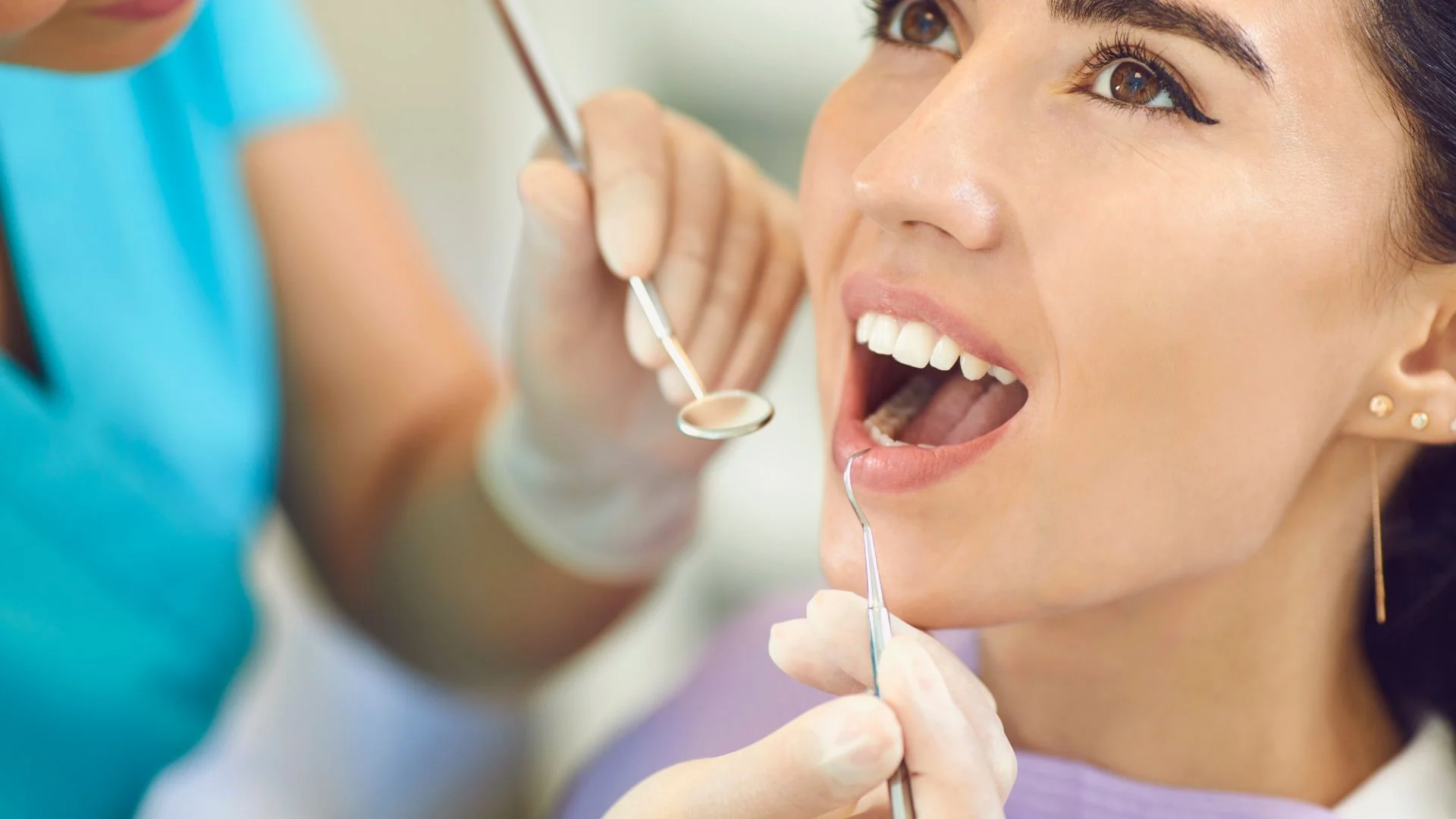
Routine dental checkups remain one of the most effective ways to maintain oral health while reducing the likelihood of expensive dental procedures in the future. Preventive appointments allow dental professionals to identify developing concerns before they become larger issues requiring more complex treatment. Additionally, regular examinations help patients maintain healthier teeth and gums through consistent monitoring, professional guidance, and early intervention. Investing in preventive care today often helps protect both your smile and your long-term dental expenses.
Detecting Dental Problems Early
Many oral health conditions begin with few or no noticeable symptoms. Regular dental checkups allow dentists to identify small concerns before they progress into more significant problems that require extensive treatment. Early diagnosis often provides more conservative treatment options while preserving healthy tooth structure. Routine evaluations remain an important part of long-term preventive care.
Finding Small Cavities Before They Grow
Tooth decay often begins as a small area of weakened enamel that patients cannot easily detect on their own. During routine examinations, dentists carefully inspect every tooth for early signs of decay before larger cavities develop. Treating smaller cavities generally requires less extensive restorative work. Early intervention also helps preserve more of the natural tooth.
Reducing the Need for Major Restorations
Small cavities frequently require simple fillings when diagnosed early. Delaying treatment may allow decay to spread deeper into the tooth, increasing the likelihood of crowns, root canals, or extractions. Preventive care helps minimize these risks through timely treatment. Protecting natural teeth remains an important goal of routine dental care.
Identifying Worn or Damaged Restorations
Existing fillings, crowns, and other dental restorations naturally experience wear over time. Routine dental exams allow providers to monitor these restorations and identify signs of damage before more serious complications occur. Early repairs often prevent additional treatment from becoming necessary. Regular monitoring helps extend the life of existing dental work.
Preventing Unexpected Dental Emergencies
Small cracks, loose restorations, or worn dental materials may lead to sudden dental emergencies if left untreated. Identifying these concerns during preventive visits allows dentists to recommend appropriate treatment before pain or tooth damage develops. Preventive care reduces the likelihood of unexpected dental problems. Early action supports better long-term outcomes.
Monitoring Gum Health
Healthy gums provide the foundation for healthy teeth. Routine dental checkups include careful evaluations of the gums to identify inflammation, bleeding, recession, and other early signs of periodontal disease. Monitoring gum health consistently allows treatment to begin before permanent damage develops. Healthy gums play an essential role in maintaining overall oral health.
Detecting Early Signs of Gum Disease
Gum disease often begins with mild inflammation that patients may not recognize during daily oral hygiene. Routine examinations allow dental professionals to identify these early warning signs while treatment remains relatively straightforward. Addressing gum disease promptly helps protect the supporting structures around the teeth. Early care often produces better long-term results.
Preventing Bone Loss
Untreated periodontal disease may gradually damage the bone supporting the teeth. Routine monitoring helps identify gum disease before significant bone loss occurs. Preserving healthy bone improves long-term tooth stability while reducing the likelihood of more complex periodontal treatment. Preventive care protects the foundation of the smile.
Measuring Gum Health Over Time
Dental professionals evaluate gum health during each preventive visit by examining tissue condition and monitoring periodontal changes. Comparing these findings over time helps identify gradual changes that may otherwise remain unnoticed. Consistent evaluations support personalized treatment recommendations. Ongoing monitoring contributes to healthier gums.
Supporting Long-Term Periodontal Health
Routine preventive visits help maintain healthier gums through professional evaluations and individualized recommendations. Patients also receive guidance regarding brushing, flossing, and other oral hygiene practices that support periodontal health. Consistent care helps reduce future complications. Healthy habits contribute to lasting results.
Professional Cleanings Remove Harmful Buildup
Even excellent home oral hygiene cannot remove every trace of plaque and tartar that accumulates over time. Professional cleanings eliminate hardened deposits that contribute to tooth decay and gum disease. Removing this buildup regularly helps maintain healthier teeth while reducing the likelihood of future treatment. Preventive cleanings remain an important part of comprehensive dental care.
Removing Tartar Safely
Once plaque hardens into tartar, brushing and flossing alone cannot remove it effectively. Dental professionals use specialized instruments to eliminate tartar while protecting the teeth and surrounding gums. Removing these deposits reduces bacterial growth throughout the mouth. Professional cleanings support better oral health.
Reducing Bacterial Accumulation
Plaque and tartar provide ideal environments for harmful bacteria to thrive. Professional cleanings remove these bacterial reservoirs before they contribute to more serious oral health problems. Lower bacterial levels also support healthier gums and fresher breath. Consistent cleanings improve overall oral hygiene.
Polishing Tooth Surfaces
After plaque and tartar removal, polishing smooths the surfaces of the teeth while eliminating many surface stains. Smooth tooth surfaces make it more difficult for plaque to accumulate quickly between appointments. Polishing also improves the appearance of the smile. Professional finishing steps enhance preventive care.
Encouraging Better Home Care
Clean, polished teeth often motivate patients to maintain strong oral hygiene habits after their appointments. Brushing and flossing become more effective when professional cleanings remove accumulated buildup. Positive daily habits support healthier long-term results. Preventive care continues between dental visits.
Preventive Care Reduces Future Treatment Costs
Preventive dentistry often costs significantly less than treating advanced dental disease. Routine examinations and cleanings help identify problems while they remain easier and less expensive to address. Investing in preventive care frequently reduces the need for more complex restorative procedures later. Consistent maintenance protects both oral health and financial well-being.
Avoiding Complex Dental Procedures
Untreated dental problems may eventually require crowns, bridges, root canals, periodontal therapy, or tooth replacement procedures. Routine dental checkups help reduce the likelihood of these treatments by identifying concerns during their earliest stages. Early intervention often simplifies care. Preventive dentistry supports healthier smiles.
Protecting Long-Term Oral Health
Maintaining healthy teeth and gums through routine preventive care allows patients to preserve their natural smiles for many years. Healthy oral tissues also support comfortable chewing, speaking, and overall quality of life. Consistent dental visits remain one of the best long-term investments patients can make. Preventive care benefits every stage of oral health.
Supporting Better Overall Health
Routine dental checkups contribute to more than healthy teeth alone. Oral health often reflects overall health, and regular examinations may identify changes requiring additional attention. Maintaining a healthy mouth also supports long-term wellness by reducing chronic oral inflammation. Preventive dental care benefits the entire body.
Monitoring Changes During Every Visit
Dental professionals evaluate the teeth, gums, tongue, cheeks, and other oral tissues during routine examinations. Monitoring these areas consistently helps identify changes that may require further evaluation. Regular assessments provide valuable opportunities for early detection. Ongoing observation supports comprehensive care.
Building Lifelong Preventive Habits
Patients who maintain regular dental checkups often develop stronger long-term oral hygiene habits. Consistent preventive care reinforces healthy routines while encouraging early treatment whenever concerns arise. Lifelong preventive habits help preserve healthy smiles through every stage of life. Regular dental visits remain an important part of maintaining overall oral health.
Building a Long-Term Preventive Dental Care Plan in Kennewick
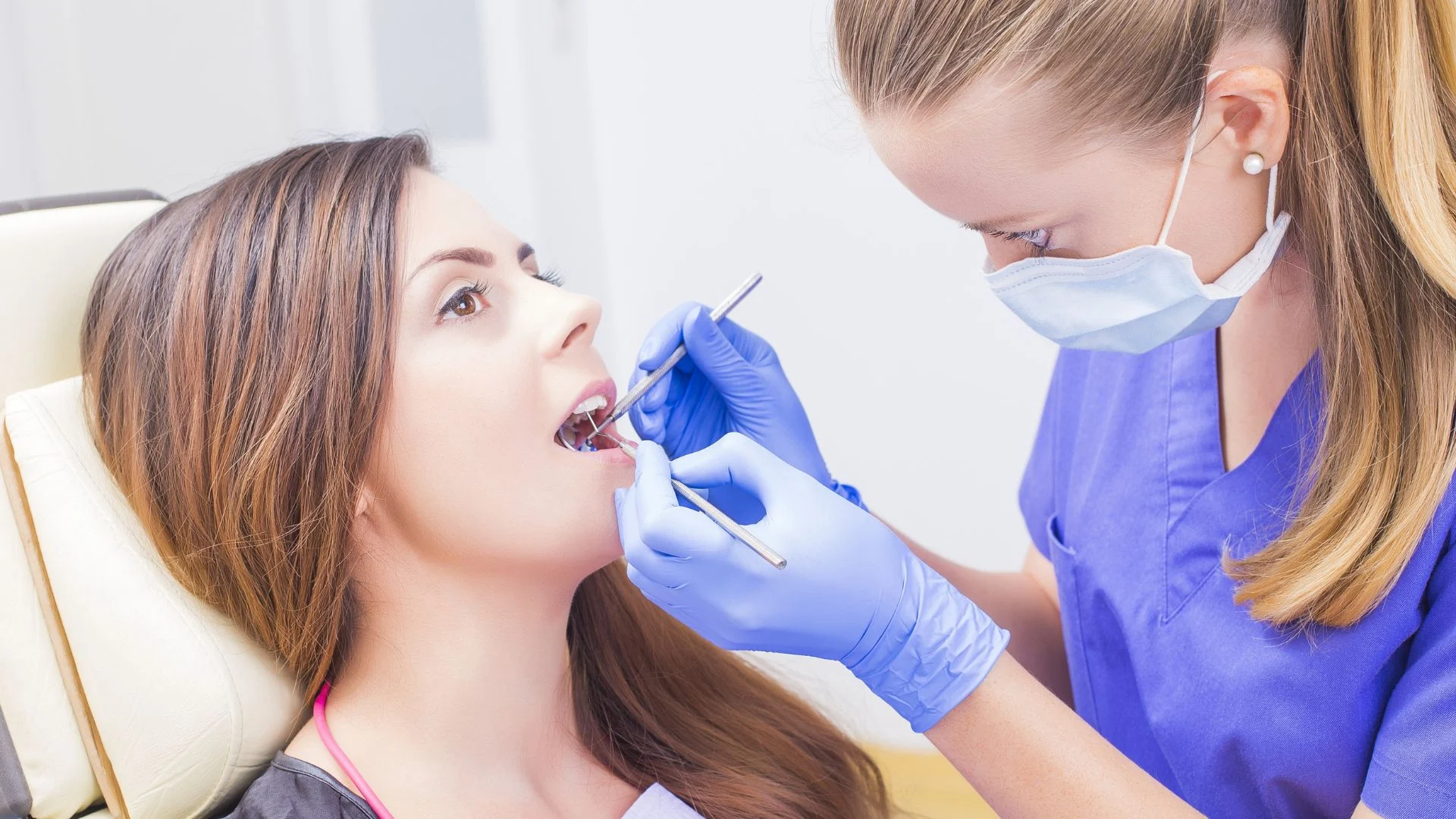
A long-term preventive dental care plan helps patients maintain healthy teeth and gums while reducing the likelihood of developing more serious oral health concerns over time. Preventive care involves more than attending routine appointments, as it also includes daily oral hygiene, healthy lifestyle habits, and personalized recommendations based on each patient’s individual needs. Additionally, maintaining a consistent plan allows dental professionals to identify changes early while supporting lifelong oral health. Developing healthy preventive habits today can help preserve your smile for many years to come.
Schedule Routine Dental Visits
Routine dental appointments provide opportunities to monitor oral health while addressing concerns before they become more complicated. Consistent examinations also allow dental professionals to compare changes over time and recommend preventive care based on each patient’s unique circumstances. Maintaining a regular schedule supports early detection and long-term oral wellness. Preventive visits remain one of the most valuable parts of a comprehensive dental care plan.
Keep Regular Dental Exam Appointments
Routine dental exams allow providers to examine the teeth, gums, jaw, and surrounding oral tissues during every visit. These evaluations help identify developing concerns while they remain easier to treat. Regular monitoring also creates a detailed record of each patient’s oral health history. Consistency supports better long-term outcomes.
Stay on a Personalized Schedule
Not every patient requires the same preventive schedule throughout life. Some individuals benefit from more frequent evaluations depending on their oral health history, medical conditions, or risk factors. Personalized scheduling helps ensure preventive care reflects changing needs. Individualized recommendations support healthier smiles.
Schedule Professional Dental Cleanings
Professional cleanings remove plaque and tartar that cannot always be eliminated through brushing and flossing alone. These appointments also help reduce the risk of cavities, gum disease, and other common dental problems. Cleanings complement routine examinations by supporting healthier teeth and gums. Preventive care works best when both services occur consistently.
Avoid Delaying Preventive Care
Waiting too long between dental appointments may allow small concerns to progress before they receive attention. Maintaining regular preventive visits increases the likelihood of identifying issues while treatment remains more conservative. Early intervention often reduces future treatment needs. Consistent care protects long-term oral health.
Maintain Excellent Daily Oral Hygiene
Home oral care remains an essential part of every preventive dental care plan. Daily brushing and flossing help remove plaque before it contributes to tooth decay or gum disease. Consistent oral hygiene also supports the benefits of professional dental care throughout the year. Healthy habits create the foundation for lasting oral health.
Brush Your Teeth Properly
Brushing at least twice each day helps remove plaque, food particles, and bacteria from the surfaces of the teeth. Using proper brushing techniques improves cleaning effectiveness while protecting the gums and tooth enamel. Thorough brushing also supports fresher breath and healthier smiles. Daily consistency produces the greatest long-term benefits.
Replace Your Toothbrush Regularly
Toothbrush bristles naturally wear down with regular use and become less effective over time. Replacing toothbrushes or electric brush heads according to professional recommendations helps maintain effective plaque removal. Well-maintained oral hygiene tools support healthier daily routines. Small preventive habits make a meaningful difference.
Floss Every Day
Flossing removes plaque and food debris from areas that toothbrushes cannot fully reach. Cleaning between the teeth each day reduces the risk of cavities while supporting healthier gum tissue. Daily flossing also helps prevent plaque from hardening into tartar. Consistent habits strengthen preventive care.
Clean Between Every Tooth
Taking time to floss every area of the mouth improves the effectiveness of daily oral hygiene. Skipping difficult-to-reach spaces may allow plaque to accumulate over time. Thorough cleaning supports healthier gums and stronger teeth. Attention to detail benefits long-term oral health.
Make Healthy Lifestyle Choices
Daily lifestyle habits can significantly influence oral health throughout life. Nutrition, hydration, tobacco use, and other personal habits all affect the condition of the teeth and gums. Making healthy choices supports preventive care while reducing the likelihood of future dental problems. Small improvements often create lasting benefits.
Choose a Balanced Diet
A balanced diet provides important nutrients that support healthy teeth and gums. Eating a variety of fruits, vegetables, lean proteins, dairy products, and whole grains contributes to stronger oral tissues. Limiting sugary foods and beverages also reduces the risk of tooth decay. Healthy nutrition benefits both oral health and overall wellness.
Drink Plenty of Water
Water helps rinse away food particles while supporting healthy saliva production throughout the day. Saliva plays an important role in protecting teeth by neutralizing acids and reducing bacterial growth. Drinking water regularly also supports overall health. Proper hydration benefits the entire mouth.
Avoid Tobacco Products
Smoking and other tobacco products may increase the risk of gum disease, tooth loss, oral cancer, and delayed healing. Avoiding tobacco supports healthier gums while improving overall oral health outcomes. Healthier lifestyle choices also contribute to more successful preventive care. Reducing risk factors protects long-term dental health.
Limit Sugary Snacks and Drinks
Frequent consumption of sugary foods and beverages creates an environment where harmful bacteria produce acids that weaken tooth enamel. Reducing sugar intake helps lower the risk of cavities while supporting healthier teeth. Choosing healthier alternatives benefits preventive care. Consistent dietary habits protect the smile.
Monitor Changes in Your Oral Health
Paying attention to changes between routine dental visits helps patients identify concerns before they become more significant. Noticing new symptoms early allows for timely evaluation and appropriate treatment when necessary. Remaining aware of oral health changes supports ongoing preventive care. Early attention often improves treatment outcomes.
Watch for New Symptoms
Persistent tooth sensitivity, bleeding gums, swelling, bad breath, or discomfort should not be ignored. These symptoms may indicate developing oral health concerns that deserve professional evaluation. Addressing changes promptly often simplifies treatment. Early recognition supports healthier outcomes.
Keep Track of Ongoing Concerns
Recording recurring symptoms or changes helps patients provide accurate information during dental appointments. This information allows dental professionals to better understand developing issues over time. Detailed observations support more informed evaluations. Good communication benefits preventive care.
Protect Your Teeth From Injury
Preventing dental injuries remains an important part of maintaining lifelong oral health. Wearing mouthguards during sports and avoiding habits that place excessive pressure on the teeth help reduce unnecessary damage. Protecting the teeth also supports long-term preventive goals. Healthy habits extend beyond brushing and flossing.
Address Dental Problems Promptly
Small concerns rarely improve without appropriate treatment. Scheduling an evaluation when new symptoms appear allows dental professionals to diagnose problems before they become more serious. Timely care helps preserve healthy teeth whenever possible. Early action supports long-term oral health.
Review Your Preventive Care Plan Regularly
Preventive dental needs often change throughout different stages of life. Reviewing your oral health regularly allows dental professionals to adjust recommendations based on changes in age, health, medications, and risk factors. Personalized preventive planning helps maintain the most appropriate level of care over time. Ongoing evaluations support healthier long-term outcomes.
Update Your Medical History
Changes in overall health, medications, or medical conditions may influence oral health and future dental care recommendations. Sharing updated medical information during routine appointments allows providers to deliver more personalized preventive care. Accurate records improve treatment planning. Complete information benefits every patient.
Continue Building Healthy Habits
Long-term preventive dental care depends on maintaining consistent habits rather than making occasional improvements. Regular dental visits, daily oral hygiene, healthy nutrition, and prompt attention to new concerns all contribute to lifelong oral health. Building these routines over time supports stronger teeth, healthier gums, and a confident smile for years to come.
Schedule Your Dental Exams in Kennewick, WA Today

Routine dental exams provide valuable opportunities to protect your oral health while identifying concerns before they develop into larger problems. Family First Dental offers comprehensive preventive care focused on helping patients maintain healthy teeth, healthy gums, and confident smiles through personalized treatment plans. We take time to understand every patient’s needs, explain our findings clearly, and recommend preventive care that supports long-term oral health goals. Our team remains committed to providing compassionate care in a welcoming environment where every patient feels informed and comfortable. We look forward to helping you maintain a healthy smile for many years to come.
Making preventive dental care a regular part of your healthcare routine can provide lasting benefits for both your oral health and overall well-being. We proudly serve patients throughout Kennewick and the surrounding communities with comprehensive dental examinations, preventive services, and personalized recommendations. Our experienced team remains available to answer your questions, discuss your oral health goals, and provide care tailored to your individual needs. We are committed to helping every patient enjoy a healthier, stronger smile through consistent preventive dentistry. Call us at (509) 581-3611 or reach out online today to schedule your appointment.