
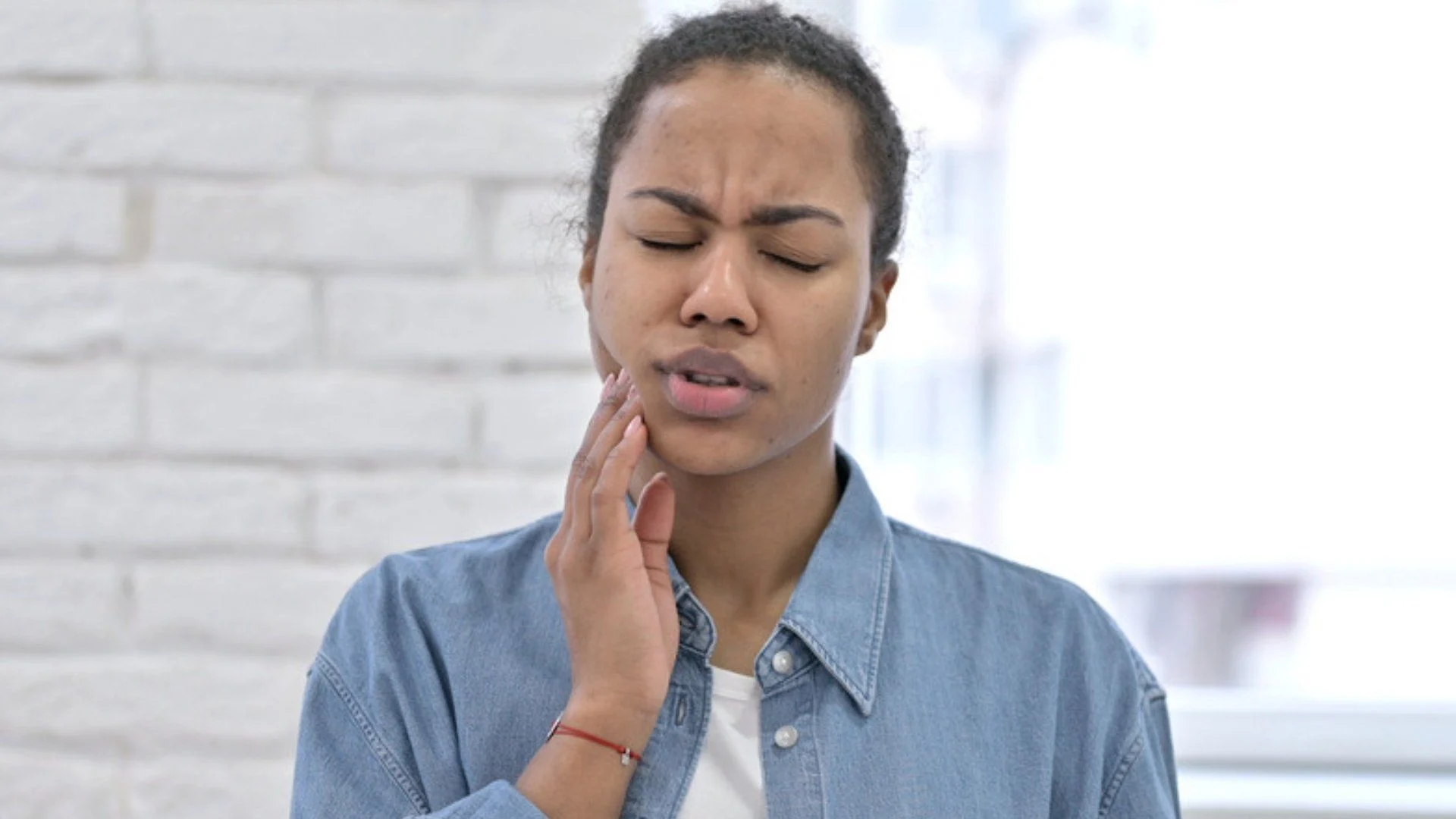
The four home steps for how to stop toothache pain fast are a warm saltwater rinse, gentle flossing, a cold compress on your cheek and an over-the-counter pain reliever. Take the pain reliever exactly as the label directs. These steps can dull the ache for now, but only a dentist can treat the cause.
Family First Dental has served the Tri-Cities since 1994 and now has five offices in Kennewick, Richland and West Richland. This guide covers what helps tonight, what to skip and which signs call for help right away.
When tooth pain will not let up, call Family First Dental at (509) 581-3611 as early as you can, since same-day appointments are available. Ask about the $99 emergency evaluation with X-rays for patients without dental insurance, too.
What Gets Rid of a Toothache ASAP?
A toothache stops for good only when a dentist treats the cause. Mayo Clinic says a dentist may drain an infection or pull a tooth that cannot be saved. Another option is a root canal, which clears infection from inside the tooth and seals it. At Family First Dental, that care includes fillings, crowns that cover a weak tooth, and tooth extractions in Kennewick and Richland.
Fast teeth pain relief only eases pain until a dentist treats the cause. The American Dental Association (ADA) published a guideline on dental pain in 2024. It says the pain medicines it recommends for a toothache are “not a substitute for or a reason to delay” dental treatment. Use the steps below to get through tonight, and plan on a dental visit within a day or two.
How to Stop Toothache Pain Fast at Home Tonight
What relieves toothache pain at home comes down to four steps. Each one below comes from a named medical source, so you can see who recommends it. Those sources also say to see a dentist if the pain does not go away or keeps coming back.
These steps can make you comfortable enough to sleep, eat and pick up the phone. They do not treat a cavity or an infection, so call Family First Dental even if the pain fades. Pain that fades is not the same as a tooth that has healed.
Rinse With Warm Salt Water
Start with a warm saltwater rinse. The MedlinePlus page on tooth abscesses says warm saltwater rinses may help ease the pain. Mayo Clinic lists the same step for an abscess, which MedlinePlus describes as a pocket of pus caused by a bacterial infection. Cleveland Clinic’s recipe is half a teaspoon of salt stirred into 8 ounces of warm water. Swish it around your mouth for 30 seconds and then spit it out. Mayo Clinic and the ADA also suggest a plain warm-water rinse to clean out the mouth.
Floss Gently Around the Sore Tooth
Sometimes the pain comes from something stuck between the teeth rather than from the tooth itself. Mayo Clinic and the ADA’s MouthHealthy site both say to floss gently to remove food caught between your teeth. The ADA warns against digging at a stuck object with a sharp or pointed tool. If floss will not free it, see a dentist, since MouthHealthy notes that a trapped object can hurt or lead to an infection.
Hold a Cold Compress Against Your Cheek
Mayo Clinic advises a cold compress on the outside of your cheek when a toothache follows an injury to the tooth. Cleveland Clinic suggests ice for general tooth pain, too. Wrap ice or a bag of frozen vegetables in a clean towel and hold it against the outside of your jaw for about 20 minutes. Repeat several times a day. Cleveland Clinic says the cold shrinks blood vessels, which can reduce pain and inflammation, the swelling and soreness around the problem area.
Take a Pain Reliever Exactly as the Label Directs
A pain reliever you can buy without a prescription can “dull the ache,” according to Mayo Clinic. The ADA’s 2024 guideline suggests that adults with a toothache start with an NSAID, either alone or with acetaminophen. NSAIDs are the family of pain relievers that includes ibuprofen and naproxen. Read the Drug Facts label on the package and follow its dose and timing. The ibuprofen label says to ask a doctor or pharmacist first if you take other medicines. It also says to ask a doctor if you have stomach, heart or kidney problems. For a child or teen, check the product label, a pharmacist or the child’s doctor before giving any pain reliever.
What Is the 3-3-3 Rule for Tooth Pain?
Many patients ask Family First Dental about the 3-3-3 rule. The common version is three 200 mg ibuprofen tablets, three times a day, for three days. Some versions add a reminder to see a dentist within three days. That math works out to 600 mg in each dose and 1,800 mg in a day. The rule does not appear in the ADA’s 2024 guideline or on the ibuprofen Drug Facts label.
Compare that with the label. The over-the-counter ibuprofen label tells adults to take 1 tablet every 4 to 6 hours, or 2 tablets if 1 does not help. It also says not to take more than 6 tablets in 24 hours unless a doctor directs it. That caps a single dose at 400 mg and a full day at 1,200 mg. The 3-3-3 version runs 50% past the label on both counts. Even the ADA guideline uses 400 mg of ibuprofen as its example dose for a toothache. Take no more than the label allows unless your own dentist or doctor tells you to. The companion post on ibuprofen for toothache compares it with acetaminophen in more detail.
How Do You Stop Throbbing Nerve Pain in a Tooth?
Cleveland Clinic says severe, throbbing pain can mean an infection has reached the pulp. Mayo Clinic defines the pulp as the innermost part of the tooth, which holds blood vessels, nerves and connective tissue. Bacteria get in through a cavity or a chip or crack in the tooth. That is one reason to learn how a cavity starts and spreads. Mayo Clinic lists a “severe, constant, throbbing toothache that can spread to your jawbone, neck or ear” as a sign of a tooth abscess.
Home steps can quiet the throbbing for a while, but they cannot reach an infection inside the tooth. MedlinePlus explains that the ache may stop if pressure is relieved, yet the infection stays active and keeps spreading. That is why a tooth that suddenly stops hurting still needs a dentist.
Treatment may mean draining the abscess, doing a root canal or removing a tooth that cannot be saved. Family First Dental performs root canals at its offices. Afterward, many teeth need a crown to strengthen them. Antibiotics are not always needed, according to Mayo Clinic. Only a dentist or doctor can prescribe them and decide whether you need them.
What to Do if Tooth Pain Is Unbearable at Night?
Lying awake with a toothache can make every minute feel longer. Resist the urge to take an extra dose early or to add another medicine without checking with a pharmacist first. The ibuprofen label warns that the chance of stomach bleeding is higher when people take more than directed. Use the cold compress and a warm salt rinse instead, and plan to call a dentist first thing in the morning.
MedlinePlus says to seek care for a severe toothache or one that lasts longer than a day or two. Fever, earache or pain when you open your mouth wide are reasons to call as well. Cleveland Clinic lists “unbearable tooth pain that doesn’t get better with medication” as a reason to go to the emergency room (ER). The next section covers the signs that cannot wait. If none of them apply, save the Family First Dental number in your phone and call as early as you can.
Do Homemade Remedies for Toothache Actually Work?
Some home remedies can ease a toothache, and a few can burn or irritate the tissue in your mouth. Some online lists go further and suggest swishing liquor or holding lemon slices against the tooth. None of those appears in the advice from Mayo Clinic, MedlinePlus or the ADA.
Family First Dental suggests starting with the plain steps above, since a warm salt rinse and a cold compress both come from medical sources. Clove oil products made for toothaches carry a label to guide you, and two other common tips can make the pain worse.
Clove Oil Can Ease Cavity Pain but Needs Care
Eugenol, the main active ingredient in clove oil, is sold over the counter as a toothache medicine. One product’s Drug Facts label on DailyMed lists its directions and warnings. The label covers “the temporary relief of throbbing, persistent toothache due to a cavity” and nothing more. It tells you to visit a dentist within 48 hours of use and not to use it for more than 7 days. It also says to avoid touching any tissue other than the tooth cavity, which keeps it off your gums. Skip it if you are allergic to eugenol or clove oil, and do not swallow it. Keep the bottle away from children, and if anyone swallows it, the label says to get medical help or call Poison Control right away.
Remedies That Can Make Tooth Pain Worse
Some toothache advice spreads because it sounds logical. Mayo Clinic, MedlinePlus and the ADA’s MouthHealthy site warn against the first tip below, and Cleveland Clinic warns against the second. For both tips, the trouble is how the product is used, not the product itself. Each one has a safer swap from the same sources, so you do not have to give up on relief.
Aspirin Held Against the Gum
Pressing an aspirin tablet against a sore tooth is a common tip that can burn the gum. Mayo Clinic says the same risk applies to any painkiller placed directly against the gums. MedlinePlus adds that aspirin on the tooth or gums irritates the tissue and can cause mouth ulcers, which are small open sores. Swallow a pain reliever as the label directs instead.
Full-Strength Hydrogen Peroxide
Some websites tell readers to gargle hydrogen peroxide by itself. Cleveland Clinic says never to rinse your mouth with pure hydrogen peroxide. Mix it with an equal amount of water first, then swish and spit it into the sink. Do not swallow it. Used that way, Cleveland Clinic says a peroxide rinse can ease tooth pain and inflammation.
When Is a Toothache an Emergency Room Visit in the Tri-Cities?
MedlinePlus says the dentist is the right person to see for most causes of toothaches. Kadlec’s emergency services page gives another reason to start there. It says an emergency visit for a problem that is not an emergency could cost more than a doctor’s office visit and may take longer.
A tooth infection that spreads is different, because it can affect breathing and swallowing. Mayo Clinic’s tooth abscess guidance says certain signs may mean the infection has spread deeper into the jaw, throat or neck. Same-day dental appointments are available at Family First Dental, but these signs need a hospital first.
Warning Signs That Mean Go to the ER Now
Three signs from Mayo Clinic and Cleveland Clinic mean a toothache needs the ER. MedlinePlus warns that untreated abscesses can lead to life-threatening complications, and some people need a hospital stay. If you notice one of these signs, get care now instead of waiting for a regular appointment. For other symptoms, including most swelling, the first call goes to your dentist.
Swelling Below Your Eye or a Knot on Your Jaw
Cleveland Clinic lists swelling below the eye or a knot on the jaw as reasons to go to the ER. Other swelling in the face or jaw means you should call your dentist right away, according to Cleveland Clinic and Mayo Clinic. MedlinePlus calls a swollen upper or lower jaw a very serious symptom.
Fever Along With Facial Swelling
Mayo Clinic’s first aid page says a fever with a toothache is a reason to call your dentist right away. Fever plus swelling in the face is more urgent. Mayo Clinic’s abscess page says to go to an emergency room if you have both and cannot reach your dentist. Cleveland Clinic also lists a fever over 101 degrees Fahrenheit as a reason for the ER.
Trouble Breathing or Swallowing
Mayo Clinic’s first aid page is direct about this sign. If you have trouble breathing or swallowing, it says to go to the emergency department at a hospital. Trios Health says calling 9-1-1 is almost always the fastest way to get lifesaving treatment. It also says an ambulance is the better choice for rapid transport to the emergency room.
Emergency Care in Kennewick and Richland
Two of the hospital emergency departments that serve the Tri-Cities are in Kennewick and Richland. Both are listed below with their addresses. For any dental emergency, the ADA’s MouthHealthy site suggests calling your dentist and giving as much detail as you can about your symptoms. If an accident happens while the office is closed, it says to visit your local emergency room.
Hospital Emergency Departments
Trios Health runs the emergency room in Kennewick, and Kadlec runs the emergency department in Richland. Other hospitals serve the wider region too, so go to whichever one is closest when a warning sign appears. Kadlec’s page says to visit a hospital emergency department only for serious or life-threatening emergencies, such as the warning signs above.
Trios Southridge Hospital in Kennewick
The Trios Southridge Hospital emergency room is at 3810 Plaza Way in Kennewick. Trios Health lists it as open 24 hours, with emergency physicians, nurses and staff on duty at all times. The Trios Health website also posts a current ER wait time and explains how it is calculated.
Kadlec Regional Medical Center in Richland
Kadlec Regional Medical Center’s emergency department is at 888 Swift Boulevard in Richland. Kadlec says the department is staffed around the clock by specially trained doctors, nurses and technicians. Patients there are treated by providers who are certified in emergency medicine, according to Kadlec.
Why You Still Need a Dentist After the ER
An ER visit handles the emergency, but the tooth that started it still needs a dentist. The ADA’s 2024 guideline covers patients referred from an emergency department to a dental practice. It says to call your health care provider if the pain does not ease. The same goes if you cannot get dental treatment within one to two days. Book the dental follow-up as soon as you get home.
What Happens at a Same-Day Emergency Dental Visit in Kennewick and Richland?
At Family First Dental, an emergency visit starts with a phone call. Same-day appointments are available. Call as early as you can, and the team will find the next open time. One phone menu reaches all five offices, including three in Kennewick and the North Richland office on George Washington Way.
MedlinePlus says a dentist first finds the source of the pain and then recommends treatment. That starts with an exam and often X-rays, which Cleveland Clinic says help a dentist see problems beneath the gums. The $99 emergency evaluation with X-rays for patients without dental insurance is built for that first look. It covers the evaluation and X-rays, and specials can change, so ask for current details when you call.
MedlinePlus lists treatments that include filling a cavity, a root canal or pulling the tooth. The dentist explains which option fits before any treatment starts. For a tooth that is too damaged to save, read about emergency tooth extractions in Kennewick and what to expect. If a tooth does come out, many patients next ask what they can eat. The companion post on what to eat after wisdom teeth removal walks through which soft foods to eat each day.
How Can You Keep a Toothache From Coming Back?
MedlinePlus says a toothache often comes from tooth decay or an infection, so stopping decay prevents many toothaches. Mayo Clinic suggests brushing with fluoride toothpaste for two minutes at least twice a day and cleaning between your teeth daily. It also advises cutting back on sugary foods and snacks between meals.
MedlinePlus adds two steps a dentist can provide, sealants and fluoride applications. Sealants are thin plastic coatings that protect the chewing surfaces of back teeth, according to the National Institute of Dental and Craniofacial Research. MedlinePlus also says to tell your dentist if you think you grind your teeth. Mayo Clinic’s list also includes regular checkups and cleanings, and a Family First Dental post explains how many dental exams you need each year.
Ask Family First Dental How to Stop Toothache Pain Fast
A toothache that lasts needs a dentist to find the cause, and Family First Dental offers same-day appointments for dental emergencies. Call (509) 581-3611 as early as you can and choose an office from the phone menu.
Ask about the $99 emergency evaluation with X-rays for patients without dental insurance. Specials can change, so the team will share current details when you call.
The three Kennewick offices are on Deschutes Avenue, Washington Street and Yelm Street, and the other two are in North Richland and West Richland. To pick one or reach the team another way, visit the contact page.
Knowing how to stop toothache pain fast gets you through tonight. An exam tells you what caused the pain, so make that call your next step.
This article shares general dental information and does not replace an exam by a licensed dentist.
Reviewed by Richard Weatherill, DDS